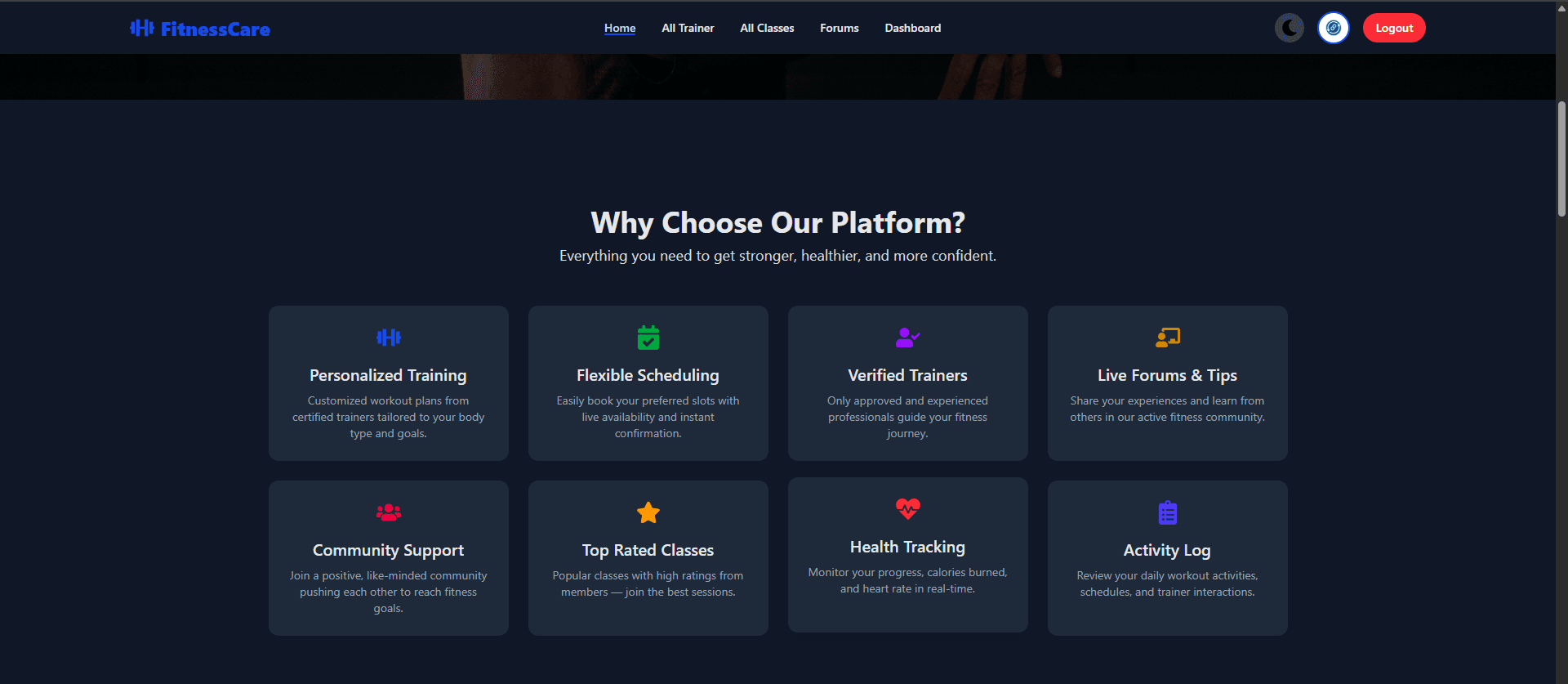
Gablura - A Productivity Management Platform
Gablura is a full-stack SaaS productivity and workspace management platform designed to help teams organize projects, tasks, files, announcements, and team activities in one centralized workspace. It features secure authentication, role-based access control, workspace management, analytics, notifications, and cloud file storage, built with a scalable modern architecture using Next.js, React, TypeScript, Node.js, Express, Prisma, PostgreSQL, Redis, and Cloudinary.
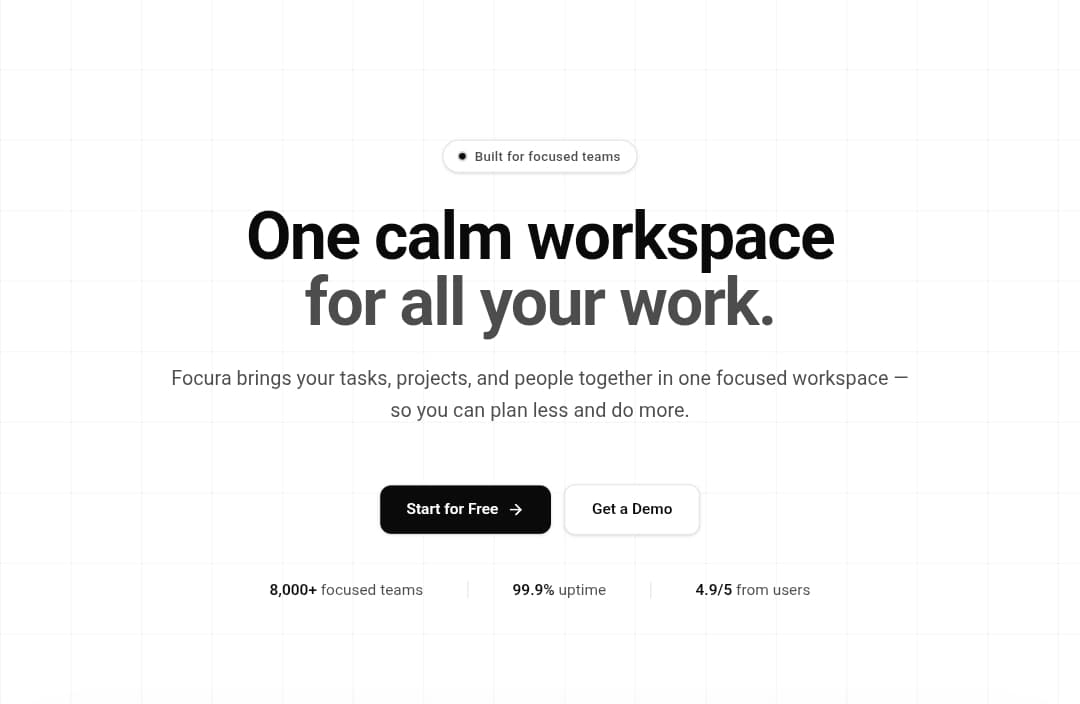
Gablura — SaaS Productivity & Workspace Management Platform
Gablura is a full-stack SaaS productivity and workspace management platform designed to help teams, agencies, startups, and organizations manage their work, projects, tasks, files, communication, and team activities from a centralized workspace.
The platform provides a structured environment where organizations can create workspaces, manage members and permissions, organize projects and tasks, share resources, publish announcements, track productivity, and monitor workspace activity through analytics.
Gablura was built with a strong focus on scalability, security, role-based access control, API architecture, data consistency, and a modern user experience.
🚀 Overview
Gablura transforms scattered team workflows into a centralized digital workspace.
Instead of relying on multiple disconnected tools for task management, team communication, file sharing, project organization, and productivity tracking, Focura brings these capabilities together under a single platform.
Each organization can create and manage its own workspace, invite team members, assign roles, organize projects, create tasks, share files, publish announcements, and monitor activity.
The platform follows a multi-workspace architecture, allowing users to participate in different workspaces while maintaining proper data isolation and permission boundaries.
✨ Core Features
🏢 Workspace Management
- Create and manage multiple workspaces
- Workspace-specific data isolation
- Workspace profiles and settings
- Member management
- Workspace invitations
- Role-based permissions
- Workspace-level activity tracking
👥 Team & Member Management
- Invite users to workspaces
- Manage workspace members
- Assign and update member roles
- Permission-based access control
- Member status management
- Secure authorization at the API level
📁 Project Management
- Create and manage projects
- Organize projects inside workspaces
- Project descriptions and metadata
- Project members and ownership
- Project-specific task management
- Project activity tracking
✅ Task Management
- Create, update, and delete tasks
- Task assignment
- Task priorities
- Task status management
- Due dates
- Project-based task organization
- Pagination and filtering
- Optimistic UI updates
- Efficient server-state synchronization
📢 Announcements
- Create workspace announcements
- Publish important updates to team members
- Manage announcement content
- Workspace-specific visibility
- Centralized team communication
📂 File Management
Gablura includes a file management architecture designed for workspace-based resource sharing.
- Workspace file organization
- Project/resource-based file management
- Cloud-based file storage
- Secure server-side upload handling
- File metadata management
🔔 Notifications
The notification system keeps users informed about important workspace activities.
Notifications can be generated for relevant events such as:
- Workspace invitations
- Task assignments
- Project-related activities
- Team updates
- Important workspace events
📊 Analytics & Productivity
Gablura provides analytics to help users understand workspace activity and productivity.
The analytics architecture supports metrics such as:
- Task activity
- Project progress
- Workspace activity
- Productivity trends
- Member-related statistics
- Activity summaries
🔐 Authentication & Authorization
Security is a major part of the platform architecture.
The authentication system includes:
- Secure user authentication
- Session-based authentication
- Protected routes
- Server-side authorization
- Role-based access control
- Workspace-level permissions
- API authorization middleware
- Secure credential handling
- Two-factor authentication flow
Authorization is enforced on the backend rather than relying only on frontend restrictions, ensuring that users cannot access resources outside their permitted workspace or role.
🛡️ Role-Based Access Control
Gablura uses RBAC (Role-Based Access Control) to control what users can do within a workspace.
Different workspace roles can have different capabilities, such as:
- Managing workspace settings
- Inviting members
- Managing projects
- Assigning tasks
- Managing files
- Publishing announcements
- Accessing analytics
Permissions are evaluated at the backend/API layer, providing a stronger security boundary than client-side UI checks alone.
🏗️ Architecture
Gablura follows a modern full-stack architecture separating the presentation layer, API layer, business logic, and persistence layer.
┌─────────────────────────────┐
│        Next.js Client       │
│                             │
│ React + TypeScript          │
│ Tailwind CSS                │
│ TanStack Query              │
└──────────────┬──────────────┘
               │
               │ HTTP / API
               ▼
┌─────────────────────────────┐
│       Express Backend       │
│                             │
│ Authentication              │
│ Authorization               │
│ Validation                  │
│ Business Logic              │
│ API Controllers             │
└──────────────┬──────────────┘
               │
        ┌──────┴──────┐
        ▼             ▼
┌──────────────┐ ┌──────────────┐
│ PostgreSQL   │ │    Redis     │
│              │ │              │
│ Prisma ORM   │ │ Rate Limiting│
│ Persistent   │ │ Caching /    │
│ Data         │ │ Performance  │
└──────────────┘ └──────────────┘
               │
               ▼
       ┌─────────────────┐
       │    Cloudinary   │
       │                 │
       │ File / Media    │
       │ Storage         │
       └─────────────────┘
💻 Technology Stack
Frontend
- Next.js
- React
- TypeScript
- Tailwind CSS
- TanStack Query
- Axios
- React Hook Form
- Framer Motion
- Lucide React
- React Icons
Backend
- Node.js
- Express.js
- TypeScript
- Prisma ORM
- PostgreSQL
- Redis
- JWT / Session-based authentication
- API validation & middleware architecture
Infrastructure & Services
- Supabase — PostgreSQL hosting
- Cloudinary — file/media storage
- Upstash Redis — Redis infrastructure and rate limiting
- Vercel — frontend deployment
⚡ Frontend Engineering
The frontend is built using Next.js and React with TypeScript, following a component-driven architecture.
TanStack Query is used extensively for server-state management, providing:
- Query caching
- Background refetching
- Query invalidation
- Mutation management
- Optimistic updates
- Pagination
- Loading and error states
- Efficient synchronization between UI and backend
The application uses reusable components and custom hooks to keep feature logic separated from presentation.
🔄 Data Fetching & State Management
Gablura uses TanStack Query as the primary server-state management solution.
Instead of manually synchronizing API responses with local React state, server data is represented through query keys and mutations.
The application organizes resources around workspace relationships:
Workspace
   │
   ├── Projects
   │      └── Tasks
   │
   ├── Members
   │
   ├── Announcements
   │
   ├── Files
   │
   ├── Notifications
   │
   └── Analytics
This allows related resources to be invalidated and synchronized efficiently when mutations occur.
🔒 Security Architecture
Security was considered throughout the application rather than being treated as a frontend-only concern.
Important security considerations include:
- Protected API endpoints
- Backend authorization
- Role-based permissions
- Workspace-level resource ownership
- Secure authentication/session handling
- Server-only secrets
- Input validation
- API rate limiting
- Database constraints
- Controlled file upload handling
Sensitive credentials and service secrets remain server-side and are never exposed to the client.
🗄️ Database Architecture
Gablura uses PostgreSQL with Prisma ORM to manage relational application data.
The relational model represents relationships between:
Users
  │
  ├── Workspaces
  │      │
  │      ├── Members
  │      ├── Projects
  │      │      └── Tasks
  │      │
  │      ├── Files
  │      ├── Announcements
  │      ├── Notifications
  │      └── Activity / Analytics
  │
  └── Authentication / Sessions
Prisma provides type-safe database access and helps maintain consistency between the TypeScript application layer and the PostgreSQL database.
🚦 API Architecture
The backend follows a modular REST API architecture.
Major API domains include:
/api/auth
/api/users
/api/workspaces
/api/projects
/api/tasks
/api/members
/api/announcements
/api/files
/api/notifications
/api/analytics
The backend separates responsibilities across:
- Routes
- Controllers
- Services
- Middleware
- Validation
- Database access
- Authentication
- Authorization
This structure makes the backend easier to maintain and extend as new modules are introduced.
🧠 Engineering Challenges
Building Gablura involved solving several real-world full-stack engineering problems.
Multi-Workspace Data Isolation
Resources must belong to the correct workspace and must not become accessible simply because a user knows an ID or URL.
This requires validating workspace membership and authorization throughout the API layer.
Permission Management
Frontend UI restrictions alone are insufficient for security.
Gablura therefore performs permission checks on protected backend operations to prevent unauthorized users from modifying resources.
Server-State Synchronization
Because projects, tasks, members, notifications, and other resources can change frequently, the frontend needs to remain synchronized with the backend.
TanStack Query was used to handle caching, invalidation, mutations, and optimistic updates.
API Validation
Incoming API requests are validated before reaching business logic, reducing invalid data and making API behavior more predictable.
Rate Limiting
Redis-based rate limiting helps protect sensitive API endpoints from excessive requests and abuse.
File Management
File handling requires careful separation between client-side interactions, server-side credentials, storage providers, and database metadata.
📈 Scalability Considerations
Gablura was designed with scalability in mind.
The architecture allows individual application layers to evolve independently:
Frontend
   ↓
REST API
   ↓
Business Logic
   ↓
Database / Cache / Storage
Additional services can be introduced without fundamentally changing the frontend architecture.
Redis can be used for performance-sensitive operations, rate limiting, and caching, while PostgreSQL remains the source of truth for persistent relational data.
🎨 UI & UX
The interface is designed around a modern SaaS dashboard experience.
Key UI principles include:
- Responsive layouts
- Reusable components
- Consistent design system
- Dark-first interface
- Clear navigation hierarchy
- Loading skeletons
- Empty states
- Error states
- Interactive feedback
- Smooth transitions and animations
- Responsive workspace dashboards
The goal is to make complex workspace functionality feel simple and accessible to users.
🧪 Testing & Reliability
The backend includes automated testing for important application flows and integration points.
Testing focuses on areas such as:
- Authentication
- Authorization
- Workspace operations
- Project management
- Task operations
- Analytics
- API validation
- Database interactions
This helps identify regressions and ensures that changes to one part of the system do not unexpectedly break other functionality.
☁️ Deployment
The production architecture separates frontend hosting, backend services, database infrastructure, caching, and file storage.
Users
                     │
                     ▼
              ┌─────────────┐
              │   Vercel    │
              │  Next.js    │
              └──────┬──────┘
                     │
                     ▼
              ┌─────────────┐
              │  Express    │
              │   Backend   │
              └──────┬──────┘
                     │
          ┌──────────┼──────────┐
          ▼          ▼          ▼
     PostgreSQL    Redis    Cloudinary
      Supabase    Upstash     Storage
🎯 Project Goals
The primary goal behind Focura was to build a realistic SaaS product rather than a simple CRUD application.
The project focuses on demonstrating practical experience with:
- Full-stack application architecture
- SaaS product development
- Multi-tenant/workspace systems
- Authentication
- Authorization
- RBAC
- REST API design
- Relational database modeling
- Server-state management
- Caching and rate limiting
- Cloud storage
- Production deployment
- Automated testing
- Scalable code organization
🔮 Future Improvements
Potential future improvements include:
- Advanced workspace analytics
- AI-powered productivity insights
- Advanced project reporting
- Real-time collaboration
- Real-time notifications
- Calendar integrations
- Third-party integrations
- Advanced search
- Webhooks
- Audit log improvements
- More granular permission management
- Subscription and billing automation
- Organization-level administration
📚 What I Learned
Building Gablura gave me practical experience beyond simply writing frontend components.
The project helped me understand how different parts of a production-style SaaS application interact:
Frontend → API → Authentication → Authorization → Business Logic → Database → Cache → Storage
It also strengthened my understanding of designing APIs, handling asynchronous server state, protecting resources through authorization, modeling relational data, managing production infrastructure, and debugging issues that become visible when an application is deployed.
🏆 Key Highlights
- Full-stack SaaS application
- Multi-workspace architecture
- Role-based access control
- Secure authentication & authorization
- Project and task management
- Team collaboration
- File management
- Notifications
- Analytics
- RESTful API architecture
- PostgreSQL + Prisma
- Redis-based rate limiting
- Cloudinary integration
- TanStack Query server-state management
- TypeScript across the stack
- Responsive modern dashboard UI
- Production-oriented architecture
🛠️ Tech Stack
Next.js · React · TypeScript · Tailwind CSS · TanStack Query · Node.js · Express.js · Prisma · PostgreSQL · Redis · Supabase · Cloudinary · Vercel